

Just like Azure Functions, Logic Apps Standard requires environment variables to be set correctly. The same rule applies when you work with Logic Apps Standard in Visual Studio Code.
Let’s walk through a simple example.:
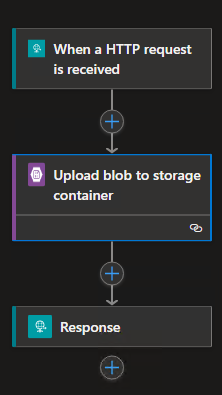
When you connect to a blob container, the designer asks you to provide a few required fields, such as:
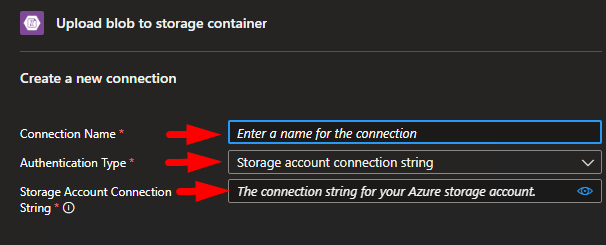
- Connection Name
- Authentication Type (we select “Storage Account Connection String”)
- Storage Account Connection String
📝 One-Minute Brief
Azure Logic Apps Standard relies heavily on environment variables for configuration, and missing or misconfigured values can cause workflows to fail unexpectedly. This Friday Fact explains how missing environment variables can break Logic App Standard workflows, why this issue often appears during deployment or local development, and what to check to prevent runtime and startup failures.
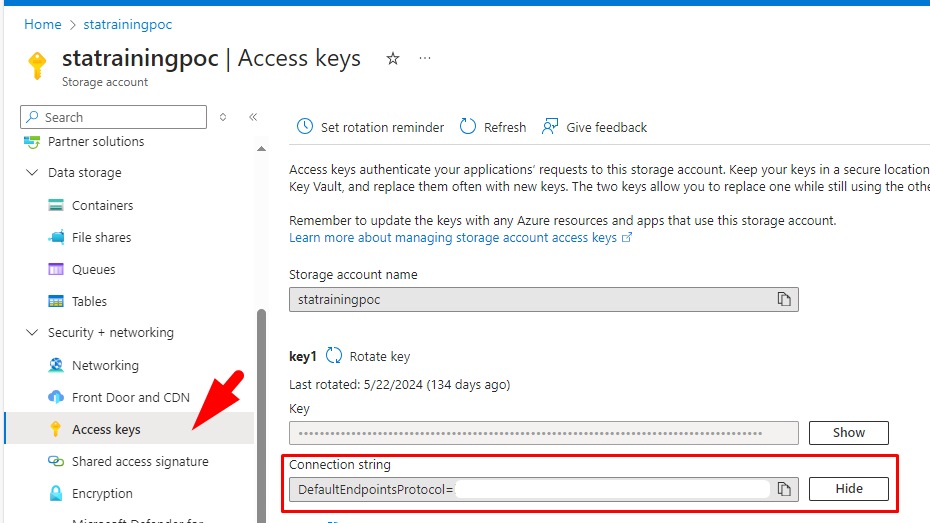
After retrieving the connection string from the storage account, we complete the connection setup.
Now, in Visual Studio Code, within your project, similar to Logic App Consumption, you will have a local.settings.json file. If you open this file, you’ll see your connection string is stored there.

Additionally, if you check the connections.json file, you’ll find that this value is referenced as an app setting.

However, once you deploy your Logic App to the Azure Portal and run it, you’ll likely encounter the following error in the blob connector:
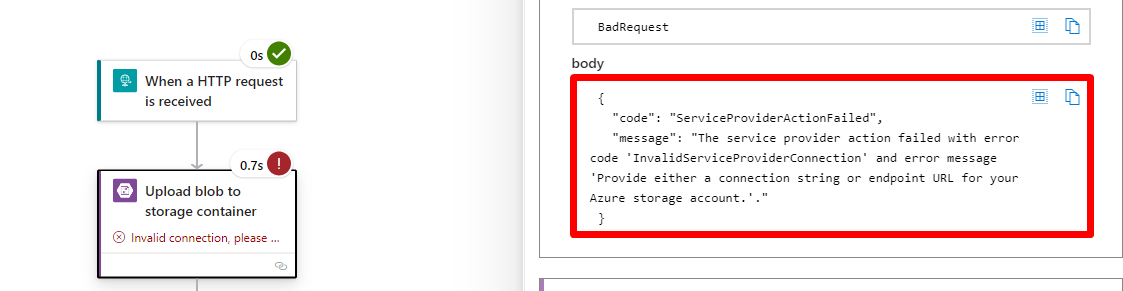
{ "code": "ServiceProviderActionFailed", "message": "The service provider action failed with error code 'InvalidServiceProviderConnection' and error message 'Provide either a connection string or endpoint URL for your Azure storage account.'." }
To fix this, you’ll need to add the environment variable to your Logic App.

Make sure the name matches the one used in your Visual Studio Code project, and assign it the same value.

After you apply this change, test your Logic App again. This time, look for a green status.

To lazy to read? We’ve got you covered! Check out our video version of this content!
Hope you find this helpful! If you enjoyed the content or found it useful and wish to support our efforts to create more, you can contribute towards purchasing a Star Wars Lego for Sandro’s son!