

Welcome back to another edition of Friday Fact! Today’s fact highlights either an existing issue or a design choice that needs adjustment for the BizTalk Logic App Adapter to work correctly. Fortunately, this behavior does not affect the Logic App connector, so you can still call child Logic Apps without any issues.
As you may know, Microsoft plans to retire the legacy Logic App designer in the future. It was originally scheduled for removal in September 2024. However, it is still available today.
While creating a Logic App Consumption workflow with the When a HTTP request is received trigger, I noticed an important difference. The trigger generates different callback URLs depending on whether you use the legacy designer or the new GA designer. This difference directly impacts how the BizTalk Logic App Adapter behaves in BizTalk Server.
📝 One-Minute Brief
The “When a HTTP request is received” trigger behaves differently depending on whether you use the legacy Logic App designer or the new GA designer. This Friday Fact explains how these differences impact the generated callback URL, why this behavior can break integrations that rely on the BizTalk Logic App Adapter, and what you need to be aware of when designing Logic Apps that expose HTTP endpoints.
Logic App Designer: different behaviors
If you use the Generally Available Designer when you save the Logic App, the HTTP URL has the following structure:
- https://<prefix>.westeurope.logic.azure.com:443/workflows/<workflowID>/triggers/When_a_HTTP_request_is_received/paths/invoke?api-version=2016-10-01&sp=%2Ftriggers%2FWhen_a_HTTP_request_is_received%2Frun&sv=1.0&sig=<secret>
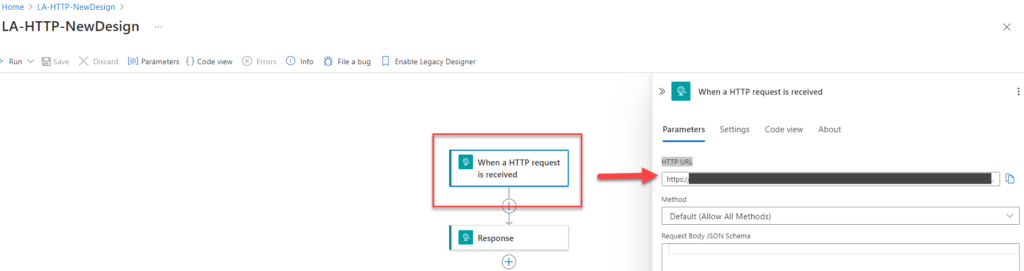
Notice that the trigger name is: When_a_HTTP_request_is_received.
Now, if you use the Legacy Design to create the exact same Logic App, the HTTP URL has the following structure:
- https://<prefix>.westeurope.logic.azure.com:443 /workflows/<workflowID>/triggers/manual/paths/invoke?api-version=2016-10-01&sp=%2Ftriggers%2Fmanual%2Frun&sv=1.0&sig=<secret>
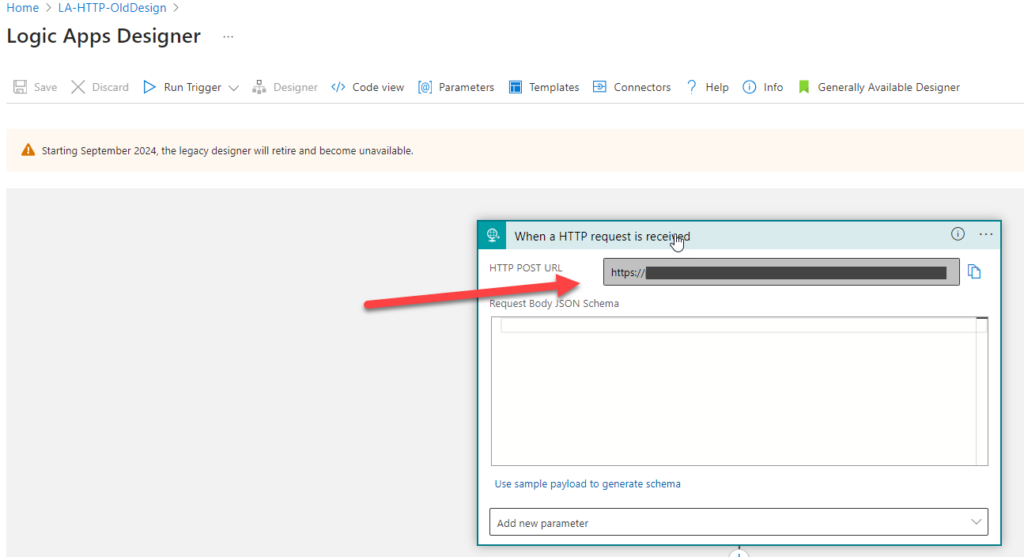
Notice that the trigger name is: manual.
Logic Apps calling child Logic Apps
Now again, from a Logic App perspective, this different behavior does not impact us to call child Logic Apps, nor with the:
- Legacy Designer

- Generally Available Designer
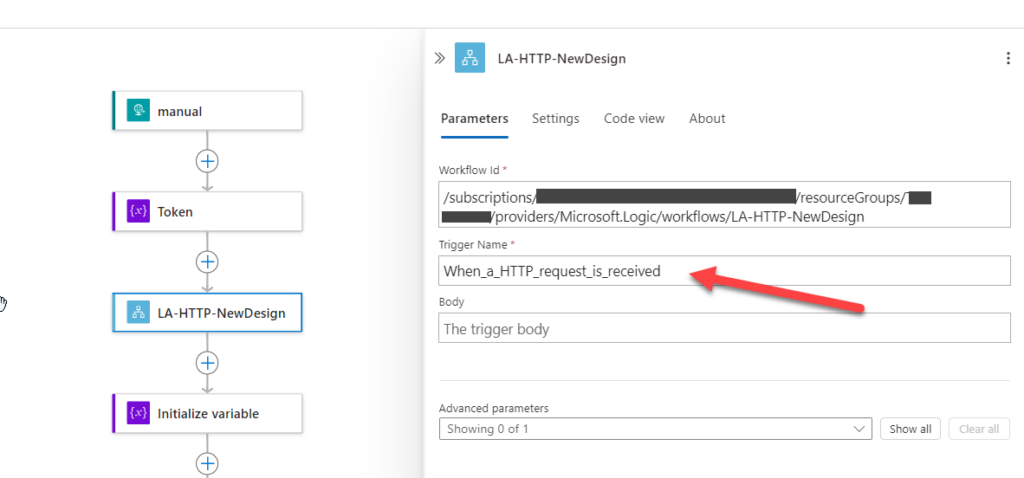
- or using the Legacy Designer inside Visual Studio

Both designers can recognize Logic App Consumption workflows.
BizTalk Server Logic App Adapter
However, this behavior does not apply to the BizTalk Server Logic App Adapter. The adapter can identify the Logic App, but it does not handle it in the same way.

but will fail because of the length of the HTTP URL.
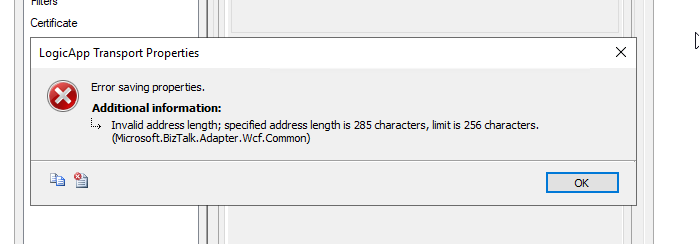
Of course, this is a bug in the BizTalk Server Logic App Adapter caused by the Logic App Designer’s different behavior, which will block us from creating specific hybrid solutions in a consistent way.
To lazy to read? We’ve got you covered! Check out our video version of this content!
I hope you find this helpful! If you liked the content or found it helpful and want to help me write more, you can buy (or help buy) my son a Star Wars Lego set!