


At its core, BizTalk Server is an integration engine. To make different systems talk to one another, you almost always need to translate data from one format to another. This is where BizTalk Mapping comes in.
📝 One-Minute Brief
BizTalk Mapping is the process of transforming data from a source schema to a destination schema. This post covers the essential components of the BizTalk Mapper, including the graphical interface, the use of Functoids for complex logic, and the link-based mapping system. It explains how the Mapper generates XSLT under the hood and highlights the importance of understanding schema structures before starting the transformation process.
The Basics of building a map consist of implementing five different processes:
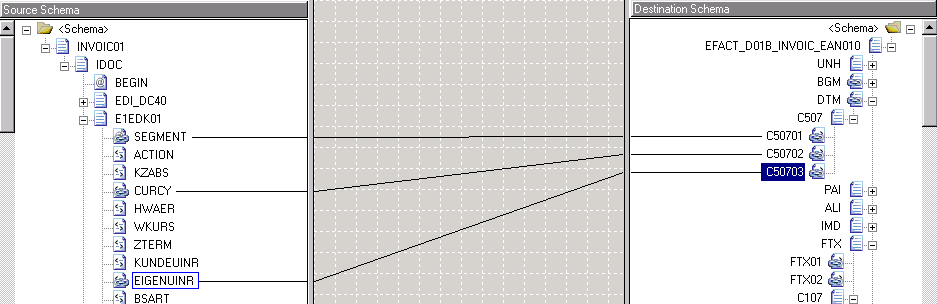
- Simple Drag-and-Drop: dragging links from the source schema windows directly to the target schema windows or dragging links to and from functoids that have been inserted into the mapper grid.
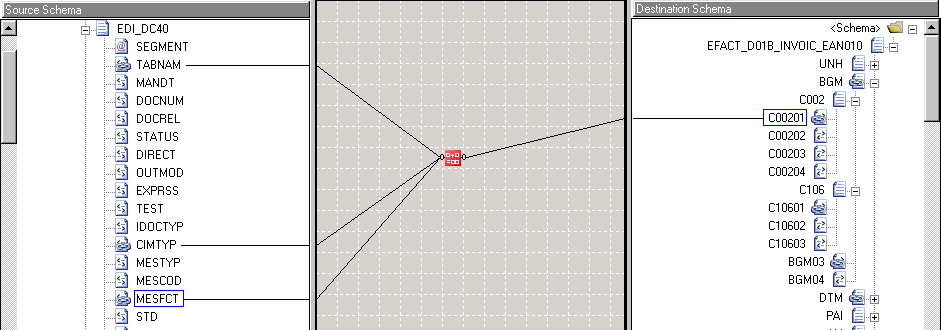
- Concatenation (concatenating fields): combining two or more strings from the input to the target schema is one of the common mapping needs.
- Data Addition: another common mapping need is to add additional data to the target schema, such as system data like date, add data based on the data inside the source schema, or math operations.

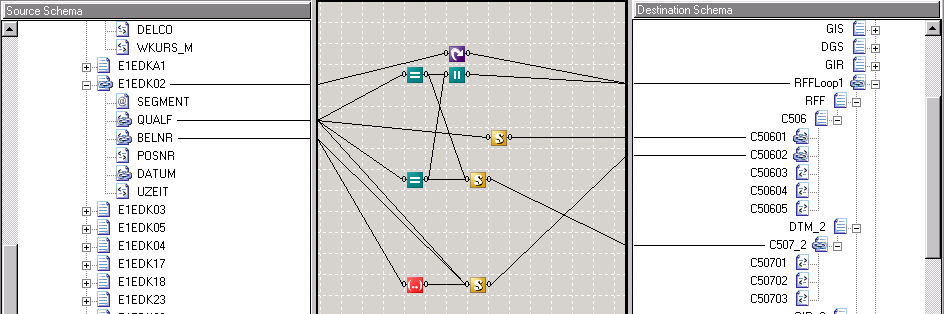
- Conditional Selection: You don’t always want to simply move data from the source to the target schema; sometimes (many times J), you will need to generate an output node only under certain conditions. BizTalk map gives many options (functoids) to help you do this.
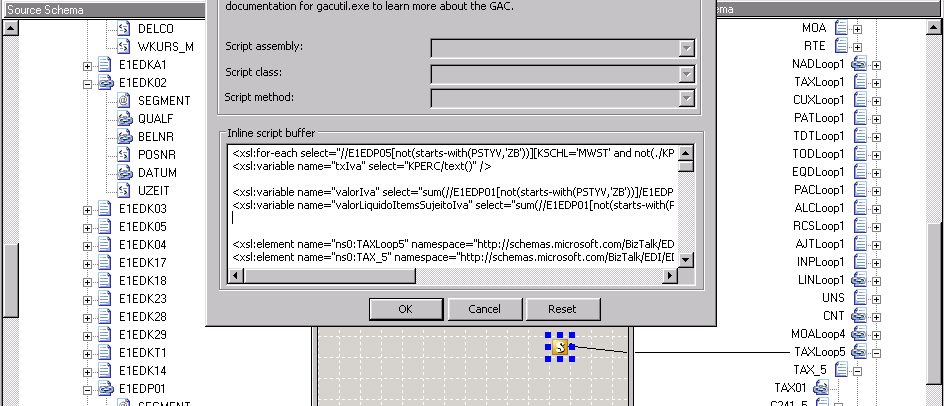
- Custom Scripting: You can make your custom scripting by using XSL code inside the scripting functoid or by using C# code.
Mastering the BizTalk Mapper is essential for any integration developer. By understanding the relationship between schemas and the power of functoids, you can handle almost any data transformation requirement.