


If you’ve been working with Azure Logic Apps Standard in Visual Studio Code and noticed that the API Management connector is conspicuously absent from the list of connectors inside the workflow designer, you’re not alone. This is a typical behavior that many developers encounter, and understanding why it happens—and how to enable it—can save you a lot of headaches.

📝 One-Minute Brief
The API Management connector is not enabled by default in the VS Code Logic Apps Standard workflow designer. This post explains why that happens, how to enable it properly, and what developers must check to use Azure API Management seamlessly during local development.
The issue
So, if you create a new Logic App Standard project or open your existing project inside VS Code, and if you try to add an action and cannot find the API Management actions/connector from the Add an action panel:

Don’t panic or start worrying. This behavior is completely normal for this connector.
At first glance, it may look strange or even like a bug. After all, this is a built‑in connector, and it does not appear as expected. Naturally, you might expect it to show up in the list. However, this isn’t a bug. Instead, Microsoft designed this behavior intentionally as a custom feature of the connector.
The solution
To enable the API Management connector, we need to:
- Right-click on top of one workflow and select the option Use Connectors from Azure –> We are not really going to work with management Azure connectors, but we need their behavior 🙂
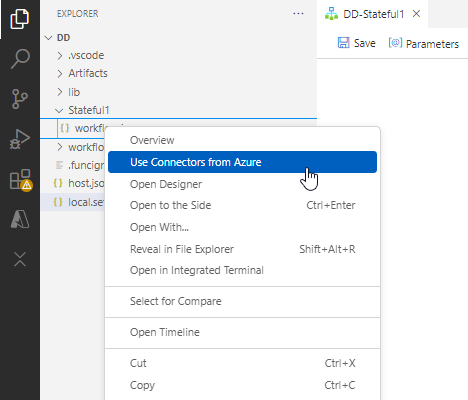
- This will ask you to select a Subscription and the Resource group.
- Choose the subscription and resource group where you will publish this project — it doesn’t need to match API Management.
- After that, it is IMPORTANT to close all the workflow designers you have open inside VSCode.
- Now, we need to open the workflow designer again. It will ask you to authenticate in Azure — use your account.
- After that, if you try to find the API Management connector, it will be present.
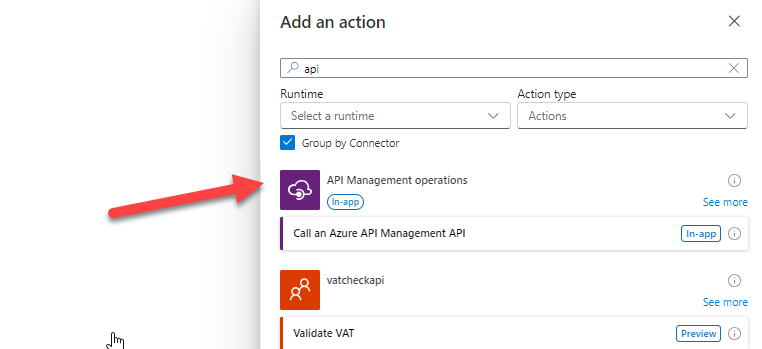
This behavior occurs because the API Management connector needs access to Azure to load existing APIM instances and the correct APIs. So, although it is a “built-in” connector, it requires Azure connectivity to run. Once we enable the Use Connectors from Azure step, the connector will appear on the list and behave as expected.
If you liked the content or found it helpful and want to help me write more, you can buy (or help buy) my son a Star Wars Lego set!



Hi Sandro!
Thank you, but does it stay or still work after deployment?
Kind regards Diane
It will work